
This scheme is quite devious. Here are the steps you should take to prevent it.
When you lose your phone, it’s normal to welcome any leads as to where it might be. But beware of who you trust ― scammers are banking upon you answering their message.
According to a November scam alert from the government agency Swiss National Cyber Security Centre, some people are getting alarming texts about lost iPhones.
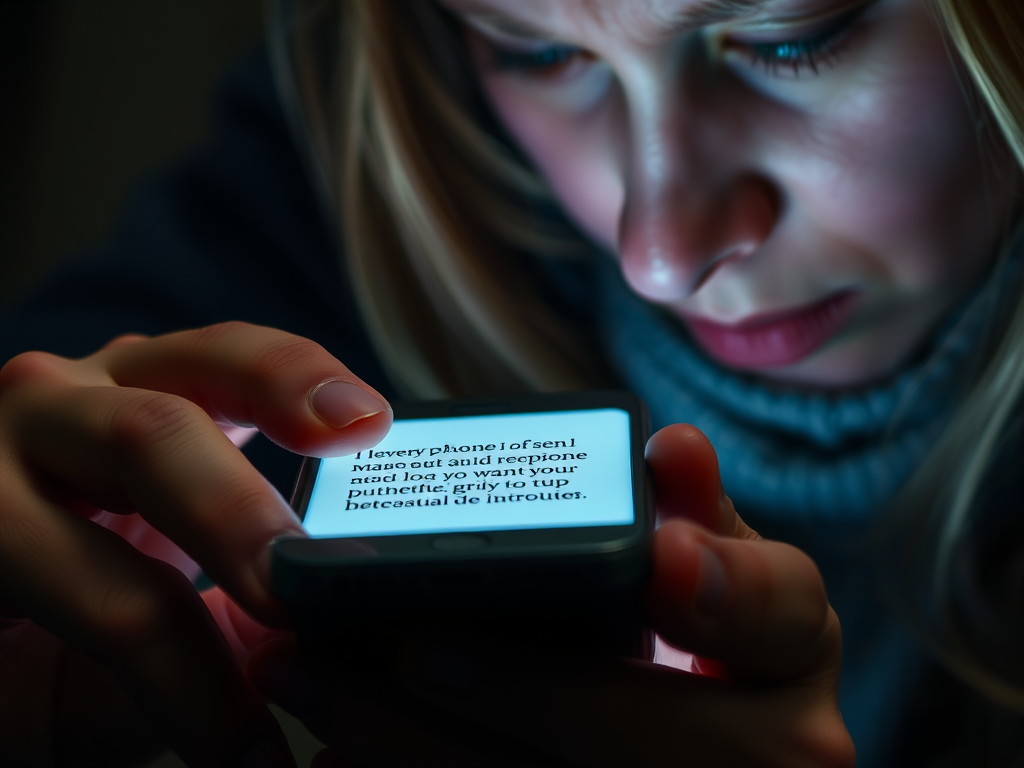
Here’s how it works: The scammers pretend to be a legitimate Apple representative. They send text messages or iMessages, claiming that your lost iPhone has been found abroad, sometimes weeks or months after you may have lost it.
“To make the messages look convincing, they include accurate details of the missing device – such as its model, color and storage capacity – which the scammers can read directly from the phone itself,” the NCSC warns in its alert.
The scammer then asks you to “click the link below” in the message to learn more about where your phone might be. People are then directed to a site that looks real.
“The message contains a link that supposedly shows the device’s location, but it actually leads to a fake website designed to look like Apple’s official login page,” NCSC states. What the scammers really want is for you to share your Apple ID credentials so they can unlock your phone and use it.
This scam works because it’s tempting to believe your lost phone is within reach. And that’s when you stop thinking with your head.
“You go into panic if you’ve lost your phone…You’re not necessarily thinking cognitively,” said Amy Nofziger, the director of victim support for the AARP Fraud Watch Network. “You’re thinking, everything in my life is on that device. I need to get it back at all costs.“
The good news is that there is one clear big telltale sign that this is a scam –– the message itself.
“Do not give any of your personal information out to a link that came to you unsolicited,” Nofziger said. “My best advice is to not try to discern if it’s Apple or not reaching out to you. Just go directly to Apple.“
It’s highly unlikely that Apple would send you an unsolicited text message about your lost iPhone. “Never share personal data or security information like passwords or security codes, and never agree to enter them into a webpage that someone directs you to,” Apple states to users on its website.
What To Actually Do When You Lose Your Phone

Instead of trusting a random text message, take matters into your own hands and use the built-in tools your phone has. And don’t dilly-dally. There are steps you should take immediately to prevent scammers from easily hacking into your phone.
Mark your phone as ‘lost.’
Make it harder for a scammer to pass off your iPhone as their own by enabling Lost Mode ASAP. You can do this through the Find My app on another device or going to iCloud.com/find. This way, no one can access your personal information on your phone and you can see where your phone was last located. Once you select your device you want to be locked, payment cards are suspended, and you can create a message that will display on your phone saying that it is lost and how you want to be contacted.
Similarly, if you lose your Android phone, you can enable Remote Lock by typing in the phone number of the device you want locked.
Change your passwords.
If you believe your lost phone has been compromised, change your Apple Account password immediately, so that a scammer can’t access your valuable personal information.
And no matter what kind of device you have, it’s always a good security practice to turn on two-factor authentication, which requires a texted or emailed code to login, so that it’s harder for your phone to be used without your permission.
Report what you see.
If you get a suspicious message from Apple, take a screenshot of the message and email the screenshot to reportphishing@apple.com. For Android phones, you can block or mark them as spam under your phone’s “More options” tab when you receive a message.
Losing your phone is already a stressful event. Don’t add to your stress by getting scammed. Instead, stay clear-headed and suspicious when you get a text that’s too good to be true. That’s how you beat scammers at their own game.
Credits: Huffpost